Key Highlights
- Understand the importance of future-ready education in developing well-rounded learners.
- Learn how experiential learning improves creativity, confidence, and problem-solving abilities.
- Explore how modern teaching approaches prepare students for real-world challenges.
- Discover the role of life skills, collaboration, and innovation in student development.
- Understand why leading educational institutions focus on learning beyond traditional academics.
Table of Contents
- Introduction
- Why Is a Future-Ready Learning Approach Important for Student Growth?
- How Does Experiential Learning Help Students Develop Essential Skills?
- What Role Do Life Skills Play in Preparing Students for the Future?
- How Does a Holistic Learning Environment Support Overall Development?
- FAQs
- Conclusion
Introduction
Education today is no longer limited to textbooks, examinations, and classroom lessons. With changing career landscapes and evolving global challenges, students need skills that help them think independently, adapt quickly, and apply knowledge in real-life situations. At Heritage Xperiential Learning School, a reputed institution recognized among the Best CBSE Schools in Noida, students are encouraged to follow a future-ready learning approach that focuses on developing creativity, communication, collaboration, critical thinking, and problem-solving abilities along with strong academic understanding.
A future-ready approach helps students by:
- Encouraging curiosity and independent thinking
- Building confidence through practical experiences
- Developing essential life skills for long-term success
- Connecting classroom learning with real-world applications
Why Is a Future-Ready Learning Approach Important for Student Growth?
Traditional education primarily focuses on subject knowledge, but today’s students require a broader skill set to succeed in a competitive world. A future-ready learning approach ensures that education supports intellectual, emotional, social, and creative development.
Key aspects of this approach include:
- Critical Thinking Development: Students learn to analyse situations, evaluate information, and make informed decisions.
- Creative Problem Solving: Innovative activities encourage learners to find unique solutions instead of depending only on memorised answers.
- Adaptability Skills: Exposure to different learning experiences helps students become flexible and prepared for change.
- Confidence Building: Interactive learning methods allow students to express ideas and participate actively.
By integrating these elements into education, students become more capable of handling academic challenges as well as real-world situations.
How Does Experiential Learning Help Students Develop Essential Skills?
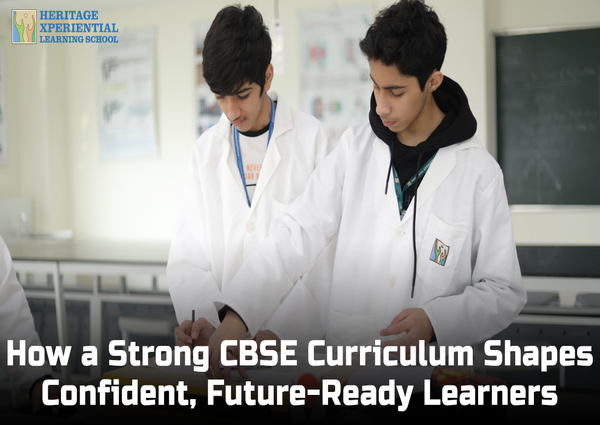
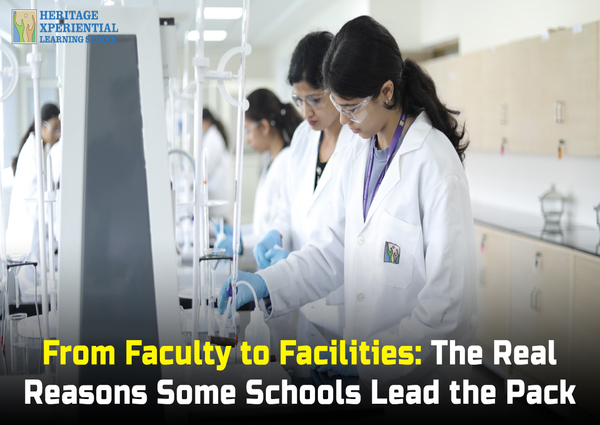
Experiential learning allows students to understand concepts through observation, participation, experimentation, and reflection. Instead of simply receiving information, learners actively engage with subjects, making knowledge more meaningful and memorable.
Some benefits of experiential learning include:
- Better Concept Understanding: Practical activities help students connect theoretical concepts with real-life examples.
- Improved Communication: Group projects and discussions encourage students to share ideas effectively.
- Enhanced Collaboration: Team-based activities teach students how to work with others and respect different perspectives.
- Increased Curiosity: Hands-on experiences motivate students to explore and ask meaningful questions.
Educational institutions following modern learning practices integrate activities, projects, research-based tasks, and interactive sessions to make learning more engaging. This approach helps students develop skills that extend beyond classroom academics.
What Role Do Life Skills Play in Preparing Students for the Future?
Academic knowledge alone is not enough to succeed in a rapidly changing world. Life skills help students manage challenges, communicate effectively, and develop positive attitudes towards learning and growth.
Important life skills developed through a future-ready education approach include:
|
Life Skill |
How It Helps Students |
|
Communication |
Improves expression and confidence |
|
Leadership |
Encourages decision-making abilities |
|
Time Management |
Helps students organise responsibilities |
|
Emotional Intelligence |
Builds self-awareness and empathy |
|
Teamwork |
Develops cooperation and collaboration |
Schools that focus on life skills activities create opportunities for students to participate in leadership roles, creative projects, community initiatives, and collaborative tasks. These experiences prepare learners to face future academic, professional, and personal challenges with confidence.
How Does a Holistic Learning Environment Support Overall Development?
A holistic learning environment focuses on nurturing every aspect of a student’s personality. It combines academics with creativity, sports, technology, arts, and practical experiences to create balanced development.
A well-designed learning ecosystem supports students through:
- Innovation-Based Learning: Encouraging students to experiment, create, and explore new ideas.
- Technology Integration: Helping learners understand digital tools and modern applications.
- Value-Based Education: Developing responsibility, respect, and ethical decision-making.
- Individual Growth Opportunities: Allowing students to discover their interests and strengths.
The future of education requires learners who can think creatively, collaborate effectively, and adapt to changing environments. A balanced approach ensures that students develop both knowledge and character.
FAQs
Q1. How does a future-ready learning approach prepare students for upcoming challenges?
A future-ready approach develops creativity, critical thinking, adaptability, and problem-solving skills through meaningful learning experiences.
Q2. What makes Heritage Xperiential Learning School’s learning approach different from traditional education?
The focus is on experiential learning, collaboration, and practical application to support overall student development.
Q3. How do students develop skills beyond academics in modern learning environments?
Students build communication, leadership, teamwork, and decision-making abilities through interactive activities.
Q4. Why are life skills important for student success?
Life skills help learners manage challenges, communicate effectively, and become confident individuals.
Q5. How does experiential learning improve student understanding?
It connects classroom concepts with real-world situations, making learning more engaging and meaningful.
Q6. How does Heritage Xperiential Learning School support holistic student growth?
The institution encourages academic learning along with creativity, confidence, and essential future-ready skills.
Conclusion
A future-ready learning approach prepares students to succeed beyond academic achievements by developing essential skills, confidence, creativity, and the ability to solve real-world problems. Education that combines knowledge with practical experiences helps learners become independent thinkers who are prepared for future challenges.
Heritage Xperiential Learning School focuses on creating meaningful learning experiences that encourage exploration, innovation, and overall student development. By integrating experiential learning, life skills, and holistic education practices, the institution supports learners in building strong foundations for lifelong success. A future-focused approach ensures that students are not only prepared for examinations but also equipped to navigate a constantly evolving world.