Introduction:
Early childhood and primary education lay the foundation for a child’s academic journey, emotional well-being, and lifelong attitude toward learning. At the Heritage, the best school in noidawhere during these formative years, children are not only acquiring literacy and numeracy skills but also learning how to interact with others, express emotions, and build confidence. A safe and joyful school environment plays a central role in shaping these experiences.
Parents searching for the primary school increasingly look beyond infrastructure and academics. They seek spaces where children feel secure, happy, valued, and inspired to explore the world around them. This article explores why safety and joy are essential pillars of effective primary education and how thoughtfully designed school environments nurture confident, curious, and resilient young learners.
About Us:
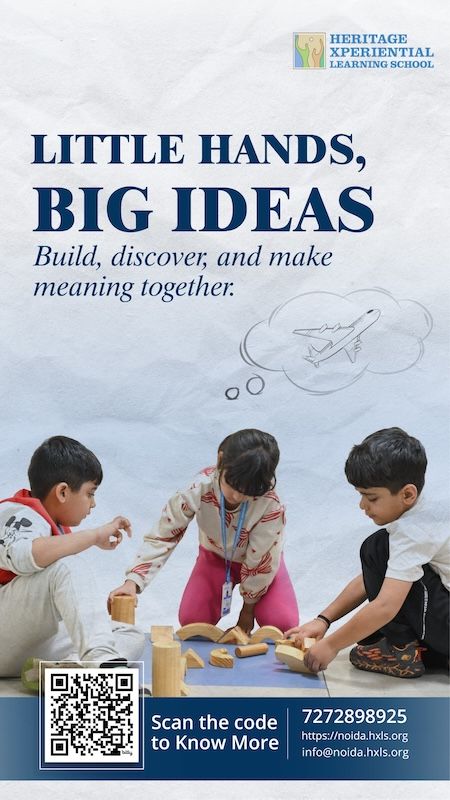
At The Heritage School, we prioritise creating a safe, joyful, and nurturing environment where young learners feel confident to explore and grow. Our primary years programme is designed to cultivate curiosity through play-based learning, interactive activities, and age-appropriate classroom experiences. Students enjoy a variety of extracurricular activities such as creative arts, storytelling sessions, music and dance, sports fun days, and nature walks, all of which enhance social skills and emotional development. Regular events like themed celebrations, annual day, talent shows, and inter-house competitions create joy, camaraderie, and memorable school experiences. Safety and well-being are integral to our ethos, supported by structured routines, attentive mentorship, and a caring faculty team. At The Heritage School, every child’s smile, curiosity, and confidence reflect our commitment to joyful beginnings and lifelong love for learning.
Why the Early Learning Environment Matters Most
Children at the primary level are highly impressionable. Their experiences during these years influence how they perceive school, authority figures, peers, and even themselves. A positive environment fosters curiosity and confidence, while a negative one can create fear, anxiety, or disengagement.
A safe and joyful learning environment ensures that:
-
Children feel emotionally and physically secure
-
Learning is associated with excitement rather than pressure
-
Mistakes are viewed as part of growth
-
Curiosity is encouraged and celebrated
Such environments become the cornerstone of meaningful early education.
Safety as the Foundation of Learning
Before learning can truly happen, children must feel safe. Safety in a primary school context extends far beyond physical security—it includes emotional, psychological, and social safety as well.
Physical Safety in School Spaces
A child-friendly campus prioritises:
-
Secure entry and exit protocols
-
Age-appropriate classroom furniture
-
Safe playground equipment
-
Regular maintenance and hygiene practices
When children feel protected in their surroundings, they are free to explore, play, and learn without fear.
Emotional Safety and Sense of Belonging
Emotional safety is just as important as physical safety. Young learners thrive when they feel accepted, respected, and understood.
Schools that focus on emotional well-being:
-
Encourage open communication
-
Foster positive teacher-student relationships
-
Address bullying proactively
-
Promote kindness and empathy
A nurturing atmosphere ensures that every child feels they belong, which directly impacts confidence and participation.
The Role of Teachers in Creating Safe Spaces
Teachers are the heart of the primary learning environment. Their approach, tone, and responsiveness significantly influence how safe and joyful children feel at school.
Teachers as Caregivers and Guides
Effective primary educators:
-
Build warm, trusting relationships
-
Recognise individual needs and emotions
-
Encourage questions and curiosity
-
Provide reassurance during challenges
For parents evaluating the primary school, the quality of teacher-student interactions is often one of the most telling indicators of a positive learning environment.
Joyful Learning: Making Education a Happy Experience
Joy is a powerful motivator. When children associate learning with happiness and excitement, they naturally become more engaged and enthusiastic.
Joyful learning environments:
-
Use play-based and experiential methods
-
Incorporate storytelling, music, and art
-
Celebrate effort as much as achievement
-
Create opportunities for exploration and discovery
This approach transforms classrooms into spaces where children look forward to learning each day.
Play as a Pathway to Learning
Play is not separate from learning—it is learning. Especially at the primary level, play-based education supports cognitive, social, and emotional development.
Conclusion:
Creating a safe and joyful environment for young learners is not an added feature—it is the essence of effective primary education. When children feel protected, supported, and happy, learning becomes meaningful and transformative.
For parents seeking primary school, the true measure of quality lies in how schools nurture well-being alongside academics. A balanced environment that values safety, joy, and holistic growth ensures that children do not just learn—but thrive.
FAQs:
-
Why is safety crucial in early education?
Children learn best when they feel physically and emotionally secure.
-
What creates a joyful learning environment for young students?
Play-based activities, caring teachers, and positive classroom interactions.
-
How does emotional safety affect learning?
It boosts confidence, participation, and a child’s willingness to explore.
-
Why is play important in primary classrooms?
Play supports creativity, social skills, and natural learning.
-
How do teachers contribute to joyful learning?
Through patience, encouragement, and understanding each child’s needs.
-
What is the long-term impact of a positive primary environment?
It builds a lifelong love for learning, confidence, and emotional resilience.