Introduction:
In a world where innovation and adaptability define success, education must go beyond textbooks and examinations. At The Heritage, the best School in Noida where parents increasingly seek learning environments that nurture creativity, confidence, and independent thinking. Modern learning approaches are designed to empower students, helping them express ideas freely, explore their interests, and grow into self-assured individuals ready for future challenges.
About Us:
Our educational approach is designed to ignite curiosity and empower students to think boldly and creatively. Through inquiry-based learning, collaborative activities, and hands-on projects, learners are encouraged to explore ideas and express themselves confidently. The school’s everyday environment blends strong academics with vibrant extra-curricular platforms such as drama, music, art, debate, and community service, allowing students to discover and polish their talents. Regularly held events like cultural days, inter-school competitions, and STEAM expos bring out each child’s unique strengths while fostering leadership and self-esteem.
Creating a Safe Space for Creative Expression
Creativity thrives when students feel safe to experiment and share ideas without fear of judgment. Progressive classrooms focus on creating inclusive spaces where every learner’s voice is valued. Open discussions, collaborative activities, and flexible seating arrangements encourage students to think differently and participate actively.
When students are allowed to ask questions, challenge ideas, and present unique perspectives, they develop both creative confidence and intellectual curiosity.
Learning Through Exploration and Inquiry
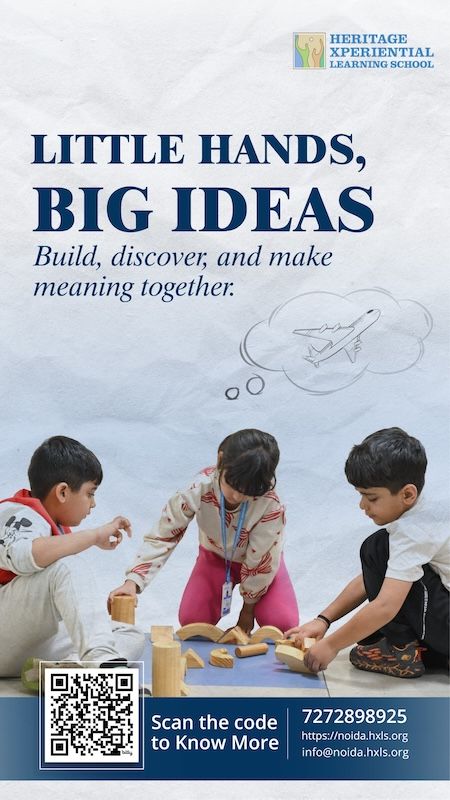
Inquiry-based learning plays a crucial role in building creativity and confidence. Instead of passively receiving information, students are encouraged to explore concepts, investigate real-world problems, and find solutions independently. This approach shifts the focus from memorization to understanding and application.
Project-based tasks, research activities, and hands-on experiments allow learners to take ownership of their learning.
Integrating Arts, Sports, and Academics
A balanced curriculum that integrates academics with arts and sports significantly contributes to confidence-building. Creative subjects such as visual arts, music, drama, and dance help students express emotions, improve communication skills, and enhance imagination.
Similarly, sports and physical education instill discipline, teamwork, and resilience.
Encouraging Collaborative Learning
Collaboration is essential for both creativity and confidence. Group projects, peer discussions, and team-based problem-solving activities teach students how to communicate effectively, respect different viewpoints, and work collectively toward shared goals.
Through collaboration, students learn leadership and adaptability while gaining the confidence to articulate ideas clearly.
Personalised Learning for Individual Growth
Every child learns differently, and personalized learning approaches help nurture individual potential. By understanding students’ learning styles, interests, and pace, educators can tailor instruction to suit diverse needs.
Personalized feedback and mentorship help students overcome challenges and celebrate progress.
Using Experiential Learning to Build Confidence
Experiential learning bridges the gap between theory and practice. Activities such as debates, role-plays, field studies, and simulations immerse students in real-life contexts, enhancing both understanding and confidence.
Promoting a Growth Mindset
Fostering a growth mindset is central to developing confident learners. Instead of viewing mistakes as failures, students are encouraged to see them as opportunities for learning and improvement. Constructive feedback and reflective practices help learners understand that effort and perseverance lead to success.
This mindset empowers students to take risks, try new approaches, and persist despite setbacks—key qualities for creativity and innovation.
Role of Teachers as Facilitators and Mentors
In creative learning environments, teachers act as facilitators rather than mere instructors. They guide discussions, encourage exploration, and inspire curiosity. By mentoring students and recognizing their efforts, educators help build trust and confidence.
Conclusion:
Learning approaches that foster creativity and confidence are essential in shaping well-rounded individuals. By encouraging exploration, collaboration, personalized learning, and experiential education, modern classrooms help students unlock their true potential.
For parents seeking schools, institutions that prioritize creative expression and confidence-building stand out as environments where students don’t just learn—they grow, lead, and thrive. These approaches ensure that learners are prepared not only for academic success but also for life beyond the classroom.
FAQs:
-
How do modern learning approaches encourage creativity?
They promote open discussions, project-based tasks, and hands-on exploration of ideas. -
What role does confidence play in student learning?
Confidence enables students to express ideas freely, ask questions, and participate actively. -
How do group activities support creative thinking?
Collaboration exposes students to diverse perspectives and encourages innovative problem-solving. -
Are extracurricular activities linked to creativity development?
Yes, arts, music, drama, and sports help students discover talents and express themselves confidently. -
How do teachers nurture creativity in classrooms?
They act as facilitators, encouraging curiosity, experimentation, and independent thinking. -
Why is creativity important for future success?
Creative thinkers adapt better to change and approach challenges with confidence and originality.