Introduction:
Modern education is experiencing a significant transformation. Schools are no longer limited to chalk-and-board methods or purely textbook-based instruction. At The Heritage, one of the best Schools in Noida, the focus aligns with what today’s world demands—adaptable, creative, emotionally intelligent, and future-ready learners who possess far more than strong academic scores. This shift is why many parents now seek schools that emphasize holistic development rather than rote learning.
This article explores how progressive institutions support students beyond traditional academics by building essential life skills, expanding their worldview, and preparing them for real-world challenges. It also highlights the strategies, practices, and educational philosophies that help children achieve academic excellence while growing personally, socially, and emotionally.
About Us:
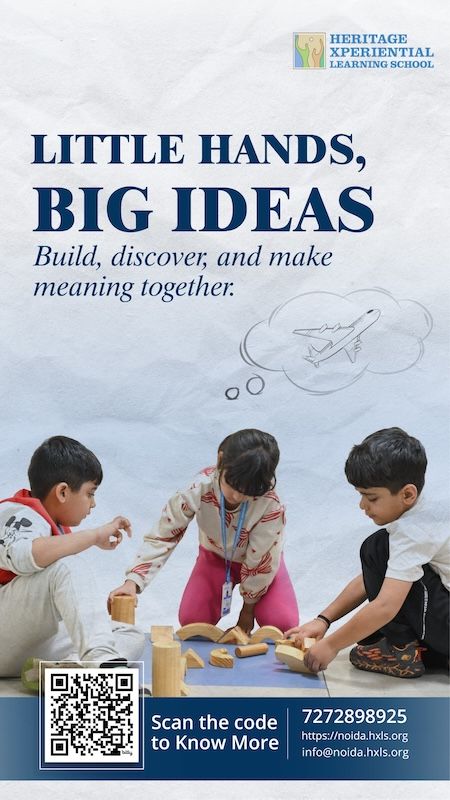
The Heritage School is built on the belief that children learn best when curiosity is sparked and real-life experiences blend seamlessly with academic content. Our classrooms integrate project-based learning, inquiry-driven tasks, hands-on experimentation, and collaborative work that encourages students to think beyond textbooks. Through clubs, robotics labs, art studios, outdoor learning areas, and interactive digital spaces, we create opportunities for exploration and creativity. Students also participate in heritage walks, science fairs, theatre productions, life-skills sessions, and student-led initiatives that build confidence and critical thinking. Our educators act as facilitators who inspire questions, encourage problem-solving, and foster independent thinking. With a strong focus on holistic learning, values education, and practical exposure, the school ensures every child learns with purpose, joy, and real-world relevance. We aim to shape lifelong learners who are thoughtful, adaptable, and ready to thrive in a dynamic world.
-
Why Learning Must Go Beyond Textbooks
Textbooks provide foundational knowledge, but they cannot encapsulate the dynamic nature of the real world. Industry demands, rapid technological progress, and global exposure require children to develop:
-
Critical and creative thinking
-
Emotional intelligence and empathy
-
Communication and collaboration skills
-
Adaptability and resilience
-
Practical application abilities
Leading institutions understand that a child’s growth depends on experiences that help them explore, experiment, and apply knowledge meaningfully. Hence, their curriculum includes academics along with co-scholastic programs, multi-disciplinary projects, problem-solving exercises, life skills education, and innovative teaching methodologies.
2. The Role of Experiential Learning in Holistic Education
Experiential learning is one of the most impactful ways to go beyond textbooks. It allows students to “learn by doing,” which enhances understanding and long-term retention.
How Schools Implement Experiential Learning
-
Hands-on classroom activities such as experiments, presentations, and group tasks
-
Field trips and educational excursions that build real-world connections
-
Project-based learning that encourages research, inquiry, and creativity
-
Theme-based learning integrating multiple subjects for deeper comprehension
-
Innovation labs and maker spaces for scientific and technological exploration
Experiential learning strengthens analytical abilities, boosts confidence, and helps students retain concepts more effectively compared to traditional memorization.
3. Life Skills Education: Preparing Students for Real Life
Life skills form the foundation of responsible, independent, and emotionally balanced individuals. Schools that focus on students’ all-round development include structured life skills education in their curriculum.
Key Life Skills Integrated Into Daily Learning
-
Decision-making and problem-solving
-
Effective communication
-
Emotional regulation and self-awareness
-
Leadership and teamwork
-
Time and stress management
-
Financial literacy and basic economics
The best educators understand that life skills are equally important as academics and intentionally create opportunities for students to practice these in real-life scenarios.
4. Building Emotional Intelligence and Self-Awareness
Emotional well-being plays a vital role in shaping a child’s personality and self-confidence. Leading institutions adopt a nurturing environment that emphasizes:
-
Mindfulness sessions for calmness and mental clarity
-
Counseling support for emotional and social guidance
-
Classroom discussions that encourage empathy and respect
-
Peer interaction programs promoting collaboration
-
Open communication channels between students and teachers
These practices help children understand their emotions, express themselves healthily, and develop positive relationships—important skills for life and work.
5. Encouraging Creativity Through Arts and Cultural Exposure
Holistic education cannot overlook creativity. Programs in art, music, dance, theatre, and storytelling stimulate imagination and self-expression.
Why Creative Exposure Matters
-
Enhances cognitive development
-
Strengthens focus and precision
-
Improves emotional balance
-
Boosts confidence and self-esteem
-
Helps students appreciate diversity and culture
Creative opportunities shape well-rounded personalities, allowing students to explore their passions and excel in non-academic areas.
6. Sports and Physical Education: A Cornerstone of Holistic Growth
Physical activity is essential for a child’s growth. Sports instill discipline, leadership, teamwork, and resilience.
Benefits of Sports in Education
-
Improved physical fitness
-
Enhanced motor skills
-
Higher concentration levels
-
Better stress management
-
Development of sportsmanship and leadership
Regular sports participation helps students cultivate healthy habits and understand the importance of effort, practice, and perseverance.
7. Value-Based Education: Shaping Character and Ethics
Beyond academic excellence, schools play a pivotal role in shaping a child’s character. Value-based education integrates moral values and ethics into everyday learning.
Core Values Reinforced
-
Integrity and honesty
-
Respect and empathy
-
Responsibility and discipline
-
Compassion and kindness
-
Community service and social responsibility
Through activities like community outreach, charity drives, and classroom discussions, students learn to become responsible global citizens.
8. Digital Literacy and Future-Ready Skills
In today’s digital world, children need more than textbook knowledge. They must understand how to use technology effectively and responsibly.
Essential Digital Skills Taught Beyond Textbooks
-
Coding and algorithmic thinking
-
Cyber safety and digital etiquette
-
Research and information literacy
-
Online collaboration tools
-
Basics of AI and robotics
Schools that focus on holistic learning use digital tools as enablers—not replacements—for creativity, innovation, and problem-solving.
9. Collaborative Learning: Building Teamwork and Communication
Group activities help children share ideas, listen actively, and collaborate meaningfully. Classrooms are designed to encourage:
-
Group discussions
-
Peer tutoring
-
Group projects
-
Interactive sessions with mentors
Collaboration teaches students how to communicate effectively, respect opinions, and work efficiently in teams—skills that are essential for future careers.
10. Integrating Environmental Awareness and Sustainability
A future-ready school nurtures students who understand their responsibility toward the planet. Activities include:
-
Eco-clubs
-
Plantation drives
-
Waste segregation and recycling programs
-
Energy conservation campaigns
-
Sustainability workshops
Environmental education encourages students to adopt eco-friendly habits and contribute positively to society.
11. Developing Leadership and Decision-Making Skills
Leadership is nurtured through opportunities and responsibility. Students are encouraged to take charge of events, initiatives, and team projects.
Leadership Platforms in Schools
-
Student councils
-
House systems
-
Clubs and societies
-
Event committees
-
Peer mentorship programs
These platforms help students sharpen organizational skills, communication abilities, and decision-making confidence.
12. Personalized Learning: Catering to Individual Strengths
Not every child learns the same way. Progressive schools focus on understanding different learning styles and customizing teaching accordingly.
Personalized Learning Approaches
-
Individual learning plans
-
Differentiated instruction
-
Mentorship programs
-
Remedial support
-
Enrichment programs for advanced learners
The aim is to ensure that every child reaches their highest potential—academically and personally.
13. Parental Engagement: A Strong Pillar of Holistic Education
Beyond textbook learning also involves partnering with parents. Schools conduct:
-
Orientation programs
-
Regular PTMs
-
Parenting workshops
-
Feedback sessions
-
Collaborative activities involving parents
This synergy ensures consistent support for the child’s development at home and school.
14. The Shift Toward Global Mindset and Cultural Exposure
To thrive in a globalized world, children must learn to appreciate diversity. Schools foster global awareness by:
-
Celebrating international days
-
Conducting global exchange programs
-
Facilitating interactions with experts worldwide
-
Integrating global issues into the curriculum
-
Encouraging multilingual learning
This exposure builds open-mindedness, adaptability, and a global perspective.
Conclusion:
Nurturing students beyond textbook learning is no longer optional—it is essential. They understand that meaningful education includes academic excellence, emotional well-being, creativity, leadership, physical fitness, and ethical grounding. When these elements come together, children evolve into confident, capable, compassionate individuals ready to succeed in an ever-changing world.
Parents increasingly seek institutions that prioritize holistic growth and recognize that real learning happens when students explore, question, innovate, and discover. With the right environment, guidance, and opportunities, every child can unlock their potential and build a future defined by purpose, resilience, and achievement.
FAQs:
1. What does learning beyond textbooks really mean?
It involves hands-on experiences, discussions, real-life applications, and creative exploration.
2. How does experiential learning help students?
It strengthens critical thinking, teamwork, and practical understanding of concepts.
3. What role do teachers play in this learning approach?
Teachers guide students to ask questions, explore ideas, and understand concepts deeply.
4. Why are arts and sports important parts of this process?
They boost creativity, physical health, emotional expression, and confidence.
5. How can parents support learning beyond books?
By encouraging curiosity, real-world observations, and meaningful conversations after school.
6. Does this approach improve future career readiness?
Yes, it helps students develop communication, problem-solving, and innovation skills valued in all fields.